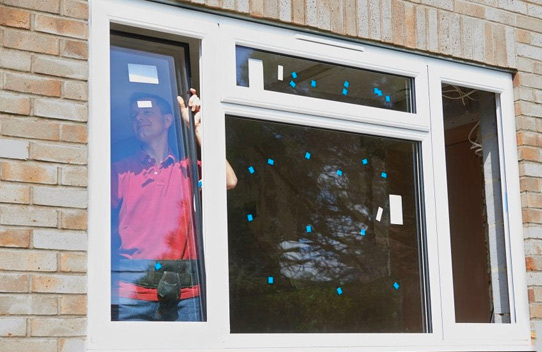
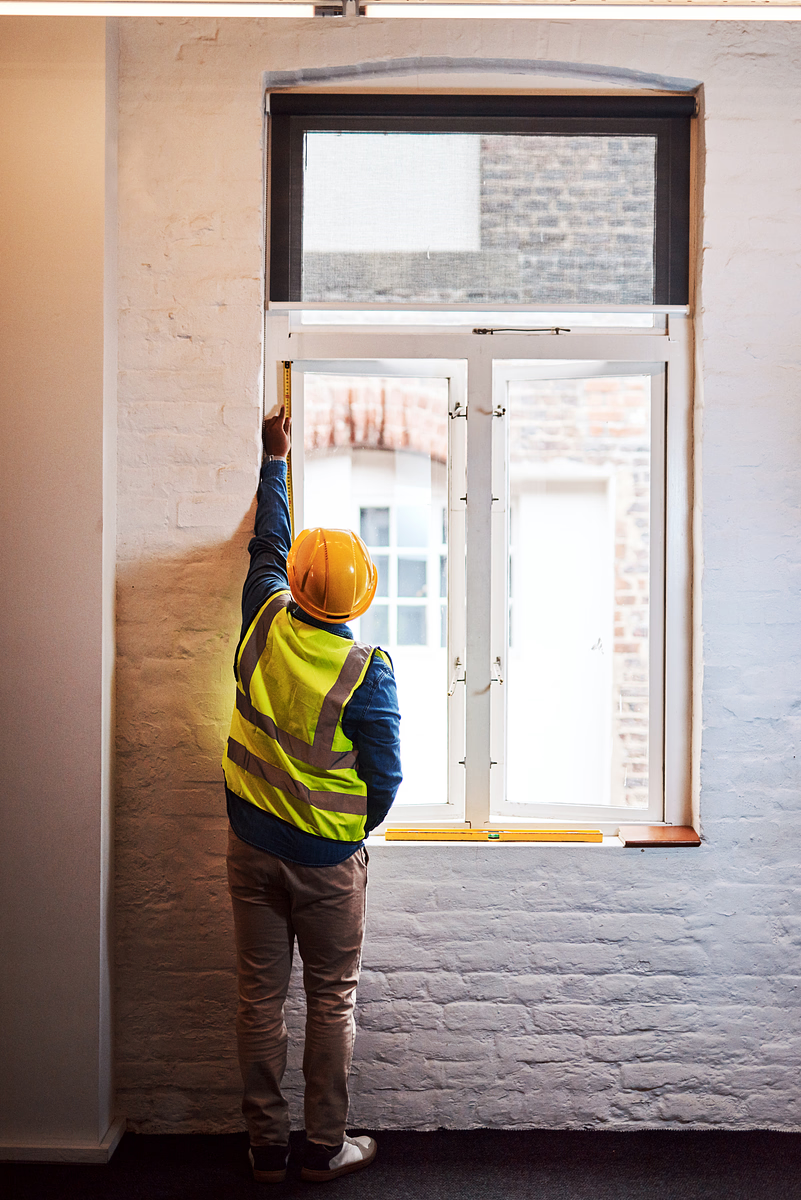
Andersen is the most common window we see in metro Atlanta, which is unsurprising for the largest window manufacturer in North America. It is also a brand where repair almost always beats replacement, because Andersen supports its older product lines longer than most and the units were built to be serviced.
What goes wrong with Andersen windows here
Perma-Shield cladding. Andersen began wrapping wood in rigid vinyl in 1966, and a great many Atlanta homes from the 1970s through the 1990s have it. The cladding itself holds up well, but Georgia sun degrades the surface over two or three decades, and the joint where the cladding meets the bottom rail is where water gets in. By the time the vinyl looks chalky, the wood behind it is often the real problem.
Failed insulated glass. Andersen units from the late 1980s to the early 2000s are now well past the design life of their seals. A fogged Andersen does not need a new window — it needs a new glass unit, and on most 200 and 400 Series sash we can replace the glass and keep everything else.
Tilt-wash balances. The spiral or block-and-tackle balance in a tilt-wash double-hung is a wear part. When the sash drops or will not stay up, that is the balance, not the window.
Rot at the sill horns. Wherever the sash sits on the sill, water collects. This is the single most common repair we make on Andersen windows in Atlanta, and it is almost always confined to a few inches of wood.
What repair actually involves
We work on the window in place wherever possible. Rotted wood is cut back to sound material and rebuilt with a structural epoxy system rather than patched with filler, which fails within a season in this climate. Glass units are measured, ordered to match the original glazing package, and fitted into the existing sash. Balances and operators are replaced with the correct part for the series and vintage.
Why we rarely recommend replacing an Andersen
An Andersen window that has been maintained is a better window than most of what is sold today at replacement-window prices. The frame is real wood, the geometry fits the opening it was built for, and the trim and interior casing around it stay untouched. Replacing it means new frames, new exterior trim work and interior finishing — usually several times the cost of repairing what is already there.
Where replacement is genuinely the right answer, we will say so.